Tradeshows have always been about innovations that advance industries. For decades, companies in the healthcare, pharmaceutical, and life science sectors have relied on large physical structures and mountains of printed brochures to explain their offerings and encourage booth visitor engagement. However, the way attendees interact with exhibits is undergoing a major shift, with Slate360 helping transform static booth experiences into more engaging, interactive, and digitally connected environments.

Today’s attendees—particularly busy physicians, medical executives, and procurement professionals—no longer have the patience for a one-size-fits-all experience. They are looking for relevance, and they want it the moment they step into a booth.
That’s where artificial intelligence (AI) is having a noticeable impact. AI is advancing at lightning speed, and it’s no longer some distant technology that the event industry will have to understand and integrate into their booth experiences at some point down the road. It’s here, and it has the potential to make a significant difference for the companies that leverage it.
AI has become an effective tool that allows exhibitors to build environments that actually participate in the conversation. By moving away from static displays and toward intelligent ecosystems, brands can ensure that every booth visitor perceives the experience as designed specifically for them. This is how leading teams are now distinguishing themselves in a crowded exhibition hall.
Why Traditional Booth Models Are Falling Behind
In the past, technology in a tradeshow booth usually consisted of a looping video on a screen or a basic interactive kiosk. While these tools were certainly an improvement over a printed banner, they were still fundamentally generic.
Every visitor saw the same content regardless of their medical specialty, role in a hospital system, or personal interests. When experiences feel generic, attendees often disengage, and that leads to a decline in value for everyone involved.
Medical stakeholders expect a level of personalization that reflects an interest in and understanding of who they are. They are used to platforms that know their preferences and provide the most relevant information immediately.
If a booth lacks that same level of intentionality, it feels like a disconnect. AI changes this situation by analyzing attendee behavior and preferences in real time to adapt messaging on the fly. This shift from generic content to tailored interactions is what is beginning to define the next generation of exhibit design.
Understanding the Data Behind the Experience
The most important difference between older tech and modern AI systems is the ability to make intelligent decisions based on data. While a standard RFID tag can tell an exhibitor that a specific person has entered the space, an AI-powered system goes much deeper. It can interpret how a person is actually engaging with the environment in an even more expansive way.
For example, RFID systems can detect which specific product demonstrations a visitor lingers near and enable the booth to adjust dynamically. However, AI-powered exhibits can go further, tracking where a visitor looks and even analyzing their facial expressions to gauge their level of interest.
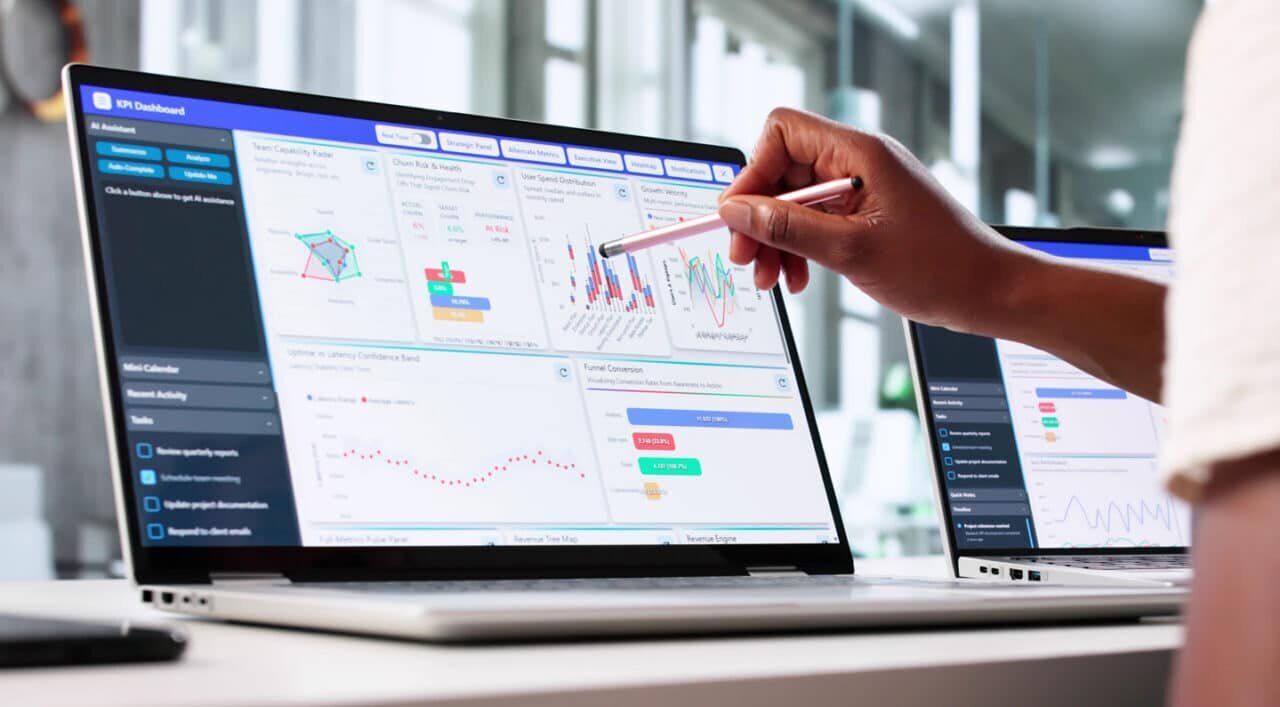
Instead of simply identifying a person, the AI analyzes their behavior and predicts what they might need next. This analytics-based approach takes the guesswork out of exhibit management and helps brands move past the limitations of manual audience segmentation. It creates a smooth and productive journey for the visitor, supporting them without being the center of attention.
Three Core Pillars of AI Personalization
To understand how AI creates a superior tradeshow experience, it is helpful to look at three main functions. The first pillar is understanding: The system gathers and analyzes data from registration inputs and real-time signals.
The second pillar is recommendation: The AI surfaces the most relevant sessions, people, or product specs based on patterns it sees across the floor. Finally, the third pillar is adaptation: The booth experience shifts fluidly as an attendee moves through the space.
This constant refinement means the experience gets better as the day goes on. Because the AI is continually learning from every exchange, it can provide more precise suggestions to each new visitor.
This level of scalability is impossible to achieve with a human-only team, especially at large-scale events with thousands of people. It allows a brand to provide a high-touch, personalized feel to every guest who walks into the booth.
Practical Ways To Involve Attendees Today
When these smart systems are integrated correctly, they become an invisible part of the attendee journey. Here are several ways that healthcare brands are currently using this technology to drive greater engagement:
- Adaptive digital signage. These displays can automatically change their messaging or highlight different clinical studies based on the specific audience standing in front of them.
- Virtual booth assistants. Intelligent chatbots on kiosks can answer technical questions or provide product specifications when the physical staff is busy with other high-value prospects.
- Mood and sentiment analysis. High-tech sensors can detect overall engagement levels and facial expressions, helping the team see which parts of a presentation are actually working.
- Predictive lead scoring. AI can help sales teams rank their follow-up efforts by analyzing which visitors spent the most time with specific high-value content during the show.
- Real-time content adaptation. Digital displays can trigger specific videos or documents when a visitor approaches a particular station, helping keep the environment fresh and interactive.
Making Smarter Decisions With Real-Time Analytics
One of the greatest benefits of an AI-powered tradeshow booth is the depth of analytics it provides to the marketing team. Traditional lead capture usually ends with a badge scan and perhaps a few quick notes from a salesperson.
AI-based systems provide a much more detailed picture of how the booth is performing. You can see the exact path visitors took through your space, which displays held their attention the longest, and where the traffic flow might be getting stuck or losing momentum.
This live feedback enables exhibitors to be much more agile and flexible during the event. If a particular interactive display is attracting more interest than the team expected, they can shift their focus to highlight that feature more prominently in the days or hours ahead.
This ability to adjust strategy on the fly helps maximize the return on investment and ensures that no opportunity is wasted. It turns the booth from a static space into a living, breathing sales tool.
Understanding the Ethics of Attendee Tracking
In the medical and life science industries, trust is an essential part of any interaction. If a brand goes too far with tracking or uses technology that feels intrusive, the audience might react negatively and disengage entirely. There is also an important ethical side to this kind of data collection that every exhibitor must consider.
Honesty and data responsibility are becoming key differentiators for successful event programs. To maintain trust, the industry is increasingly adopting transparent privacy measures that ensure attendees retain control of their personal data.
That might mean clear signage about passive AI sensors, interactive kiosks that require opt-in consent for personalized experiences, and camera-enabled monitoring systems that understand and respect “do not track” indicators like specific badges or lanyards. The ultimate goal is to use AI responsibly to make the experience feel more intentional, secure, and less random for the visitor.
When a surgeon walks into your booth and is quickly guided to the specific tool they were researching, they feel appreciated. That’s the power of a well-designed, customized journey. It builds a much stronger brand impression and creates important connections that continue long after the tradeshow ends.
What’s Ahead for AI and Tradeshow Interactions?
Healthcare businesses are only beginning to explore what can be achieved with artificial intelligence in the exhibit environment. Future booths may include even more anticipatory tools that can determine what a visitor needs before they even have to ask.
As these systems become more sophisticated, they will integrate more intimately with other immersive technologies. This synergy will continue to expand the limits of what a physical environment can achieve.
For healthcare companies that want to stay competitive, it may be wise to start thinking about intelligent and customized booths. Over time, they will likely become the most effective way to stand out in a crowded hall and ensure your message reaches the right people in the right way.
By combining cutting-edge technology with thoughtful and creative design, you can create a tradeshow presence that is both futuristic and highly effective for your business.
Get Guidance on Leveraging Advanced Tech in Your Healthcare Tradeshow Booth
How could your company capitalize on AI in your tradeshow booth at healthcare events? Contact Slate360 today to discuss your goals and how we can help you leverage advanced technology to meet them.
About Slate360
Our team of seasoned healthcare industry pros crafts unique, immersive exhibit experiences that attract attendees and create lasting impressions of clients and their offerings. We work as an extension of a client’s team to streamline strategy development, execution, and analytics and to ensure an onsite or virtual trade show presence furthers their marketing objectives. https://slate360inc.com/
Slate360 Media Contact
Pam Laferriere, 657-204-1916
Source: SubmitMyPR
Release ID: 2506095
